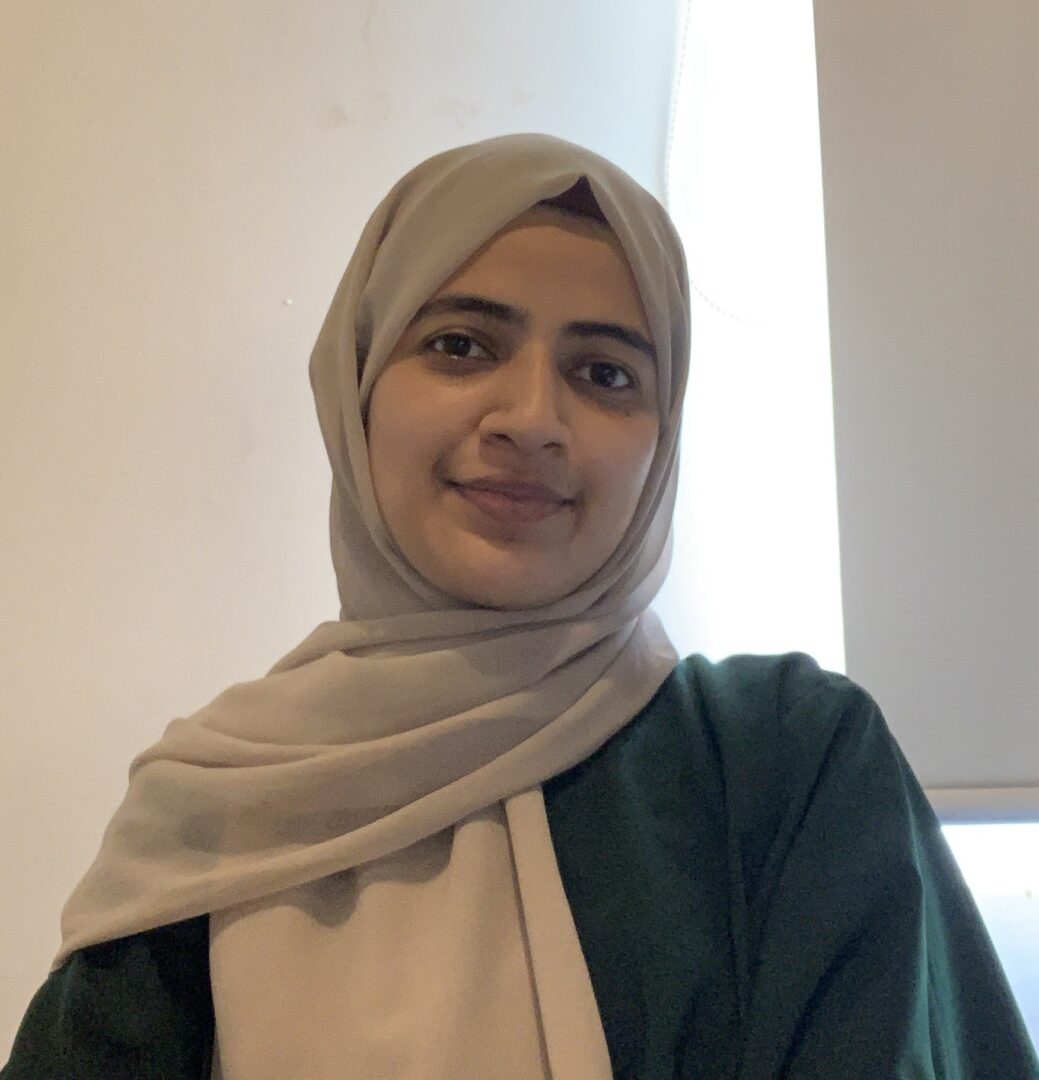
 Sara Asfiya Ali is a social designer and researcher from Kerala, India. Her work is grounded in listening closely to the needs and lived experiences of diverse communities across the globe and in building ethical, community-centred digital platforms addressing their needs. She is interested in collective narrative practice as a way of documenting and foregrounding the agency of Muslim communities in contexts of marginalisation, and in creating spaces where people can reclaim the right to tell their own stories in their own ways. The collective narrative document described in this practice note emerged from her Diploma in Narrative Therapy and Community Work and from her ongoing engagement with Muslim women in India.
Asfiya Ali, S. (2026). Resisting erasure: How Muslim women in India are responding to hate and hostility [Audio recording]. International Journal of Narrative Therapy and Community Work, (1). https://doi.org/10.4320/QDOO9358
Author pronouns: she/her

About the illustrator of the collective document
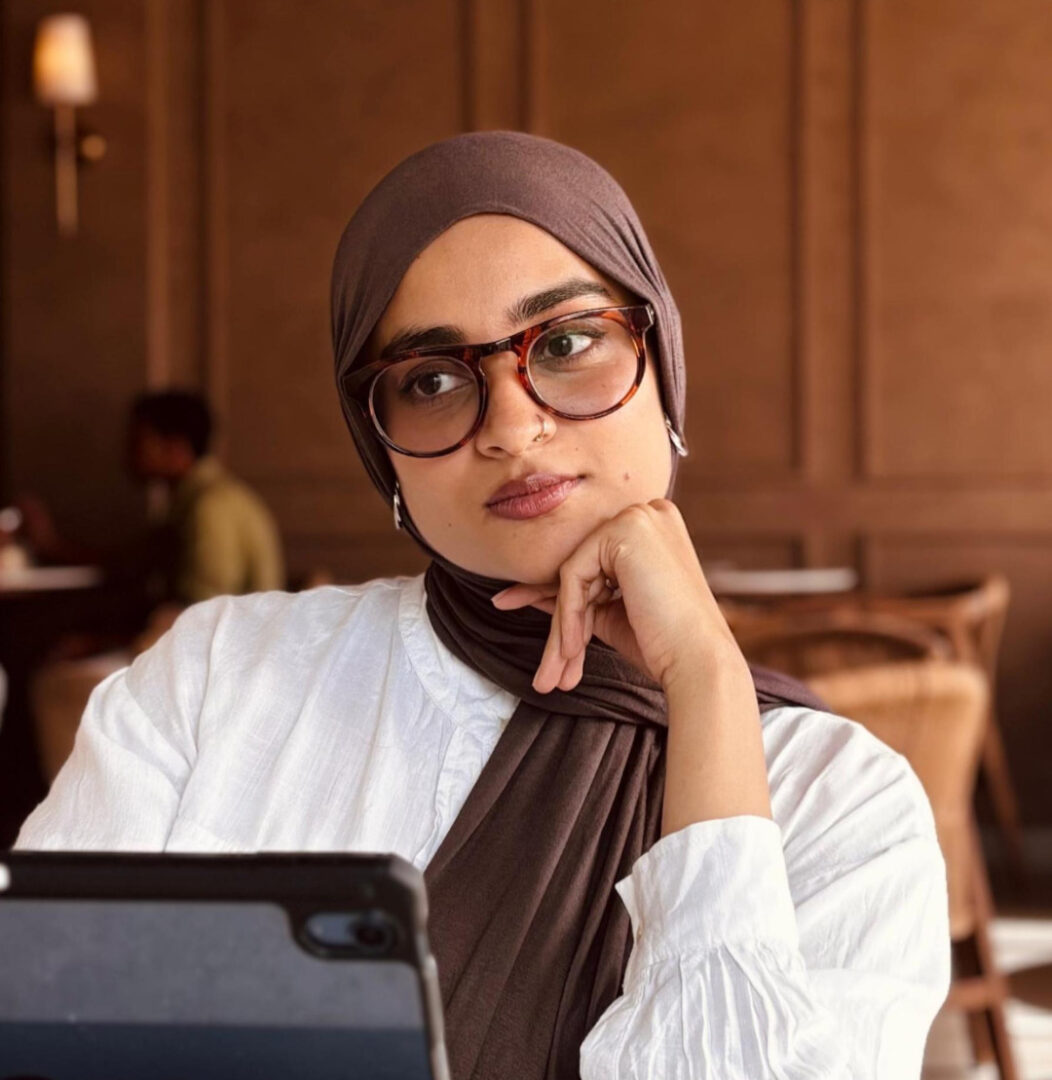 Neha Ayyub is a self-taught artist and writer based in Kerala, India. She loves visual storytelling and often uses graphic narrative as a medium to explore the layered nuances of the mundane. Her graphic narratives and illustrations have been published in The Bombay Literary Magazine, Hāk͟ārā Journal, Hammock Magazine, Current Conservation, and The Little Journal of Northeast India. She loves reading, watching water flow and finding stories in stillness.