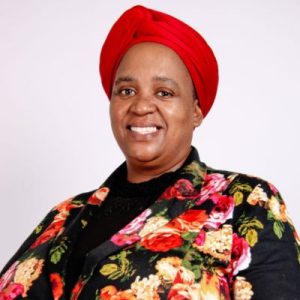
 When she wrote this article in 2006, Ncazelo Ncube worked for REPSSI, a regional capacity-building organisation working in 13 countries in East and Southern Africa to enhance the provision of psychosocial care and support to children affected by HIV/AIDS, poverty and conflict. Ncazelo now works with Phola, an organisation that she founded in 2016 to respond to trauma and related hardships faced by children, young people, families and communities in South Africa. https://phola.org/
This recording: Ncube-Mlilo, N. (2026). The Tree of Life Project: Using narrative ideas in work with vulnerable children in Southern Africa (N. Ncube-Mlilo, Narr.) [Audio recording]. International Journal of Narrative Therapy and Community Work, (1). https://doi.org/10.4320/FGIA3542 (Original work published 2006)

Original paper: Ncube, N. (2006). The Tree of Life Project: Using narrative ideas in work with vulnerable children in Southern Africa. International Journal of Narrative Therapy and Community Work, (1), 3–16.